
 Canada
  Ireland
  New Zealand
  Singapore
  South Africa
  United Kingdom
  United States







1. Theatre-Style Seating
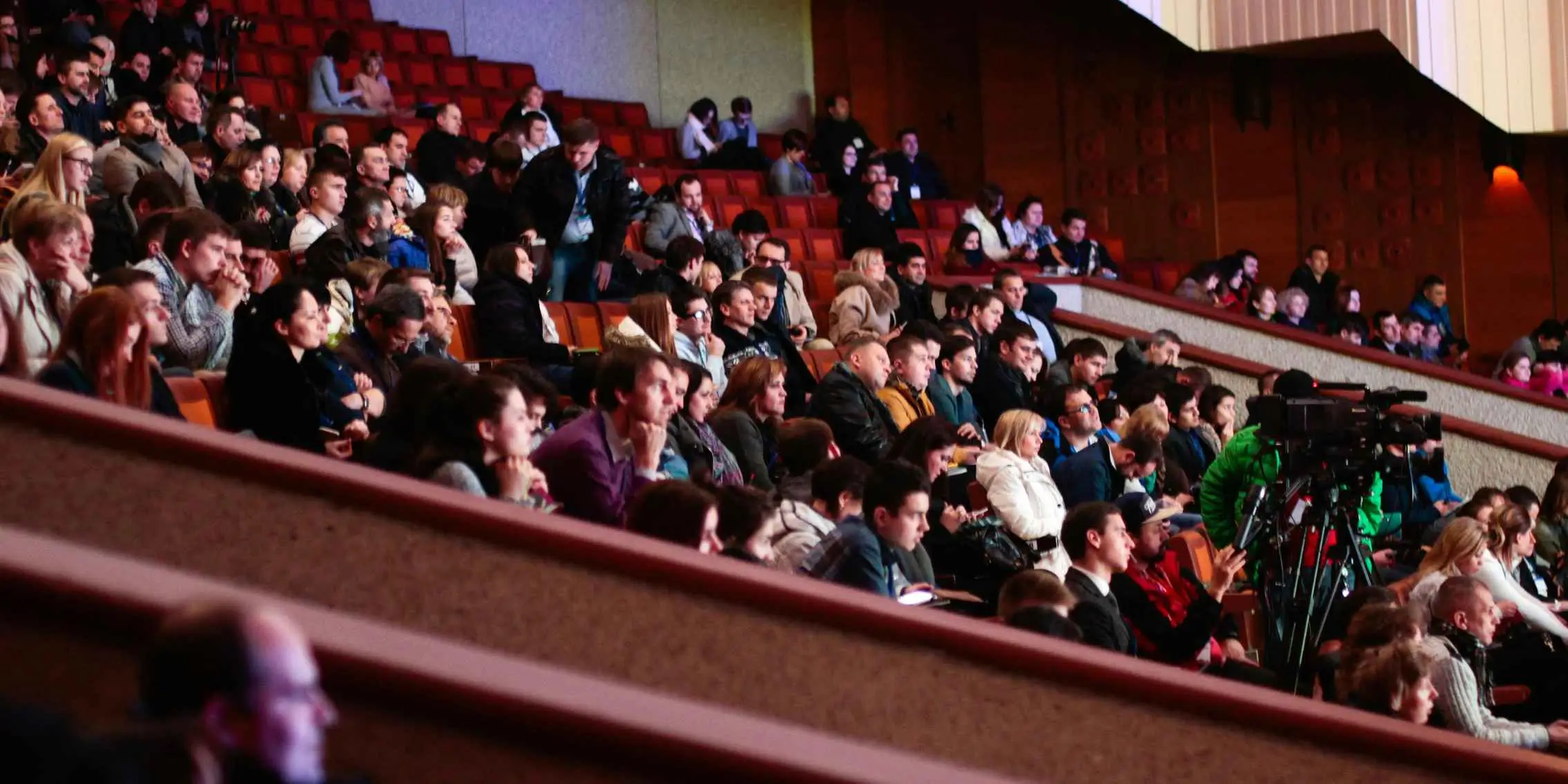
Rows of chairs facing a single stage or focal point.
Why It Works
- Maximises seats in limited space.
- Best for speaker-led sessions where listening is the primary activity.
Why It Can Go Wrong
- No desk space.
- Awkward for note-taking.
- Hard for attendees to interact with each other.
Best For...
- Keynotes
- Award ceremonies
- Lectures
- Performances
2. Classroom-Style Seating
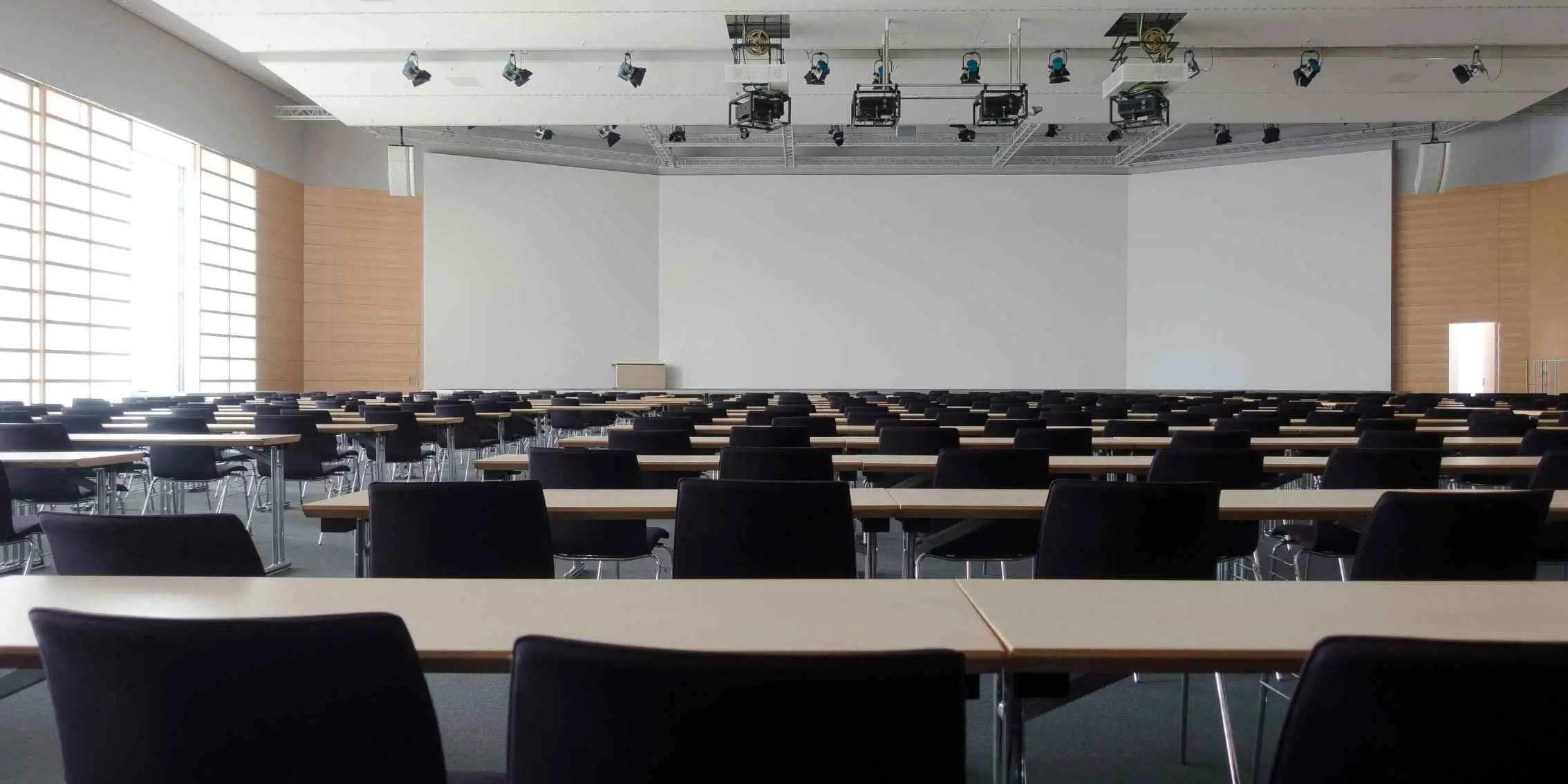
Rows facing forward, each with a table or desk.
Why It Works
- Gives attendees room for laptops and materials.
- More comfortable for long sessions.
The Catch
- Takes up more space.
- Has an academic atmosphere.
Best For...
- Workshops
- Corporate training
- Conferences requiring note-taking
3. Banquet Seating
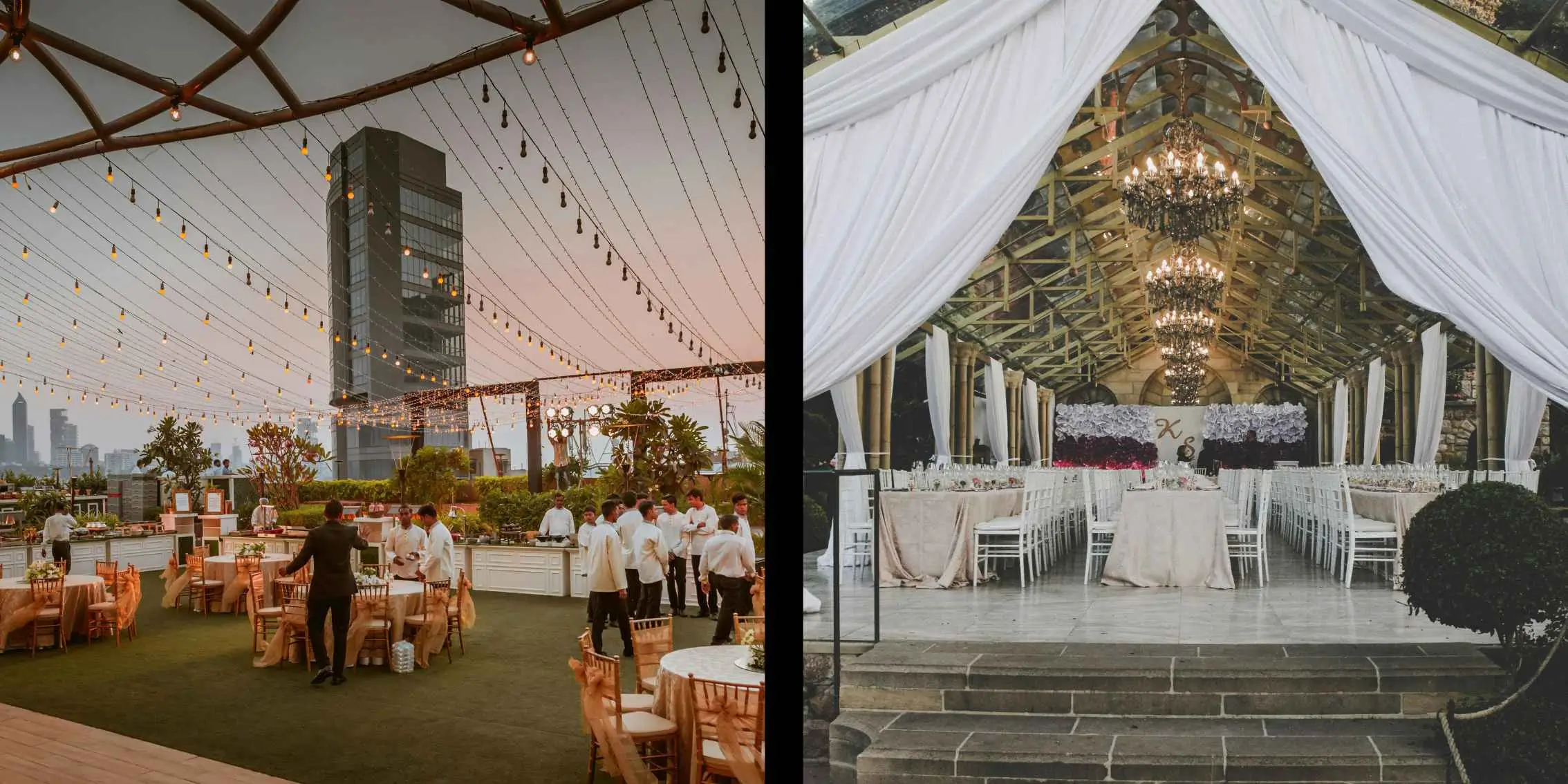
Round tables seating 6–10 people (left) and long tables for 10+ people (right.)
Why It Works
- Encourages conversation and group interaction.
- Great for meals and team-based activities.
Potential Downsides
- Not ideal for watching a stage.
- Some attendees will face away from the presenter.
Best For...
- Galas
- Networking dinners
- Award banquets
- Wedding receptions
4. Cabaret Seating
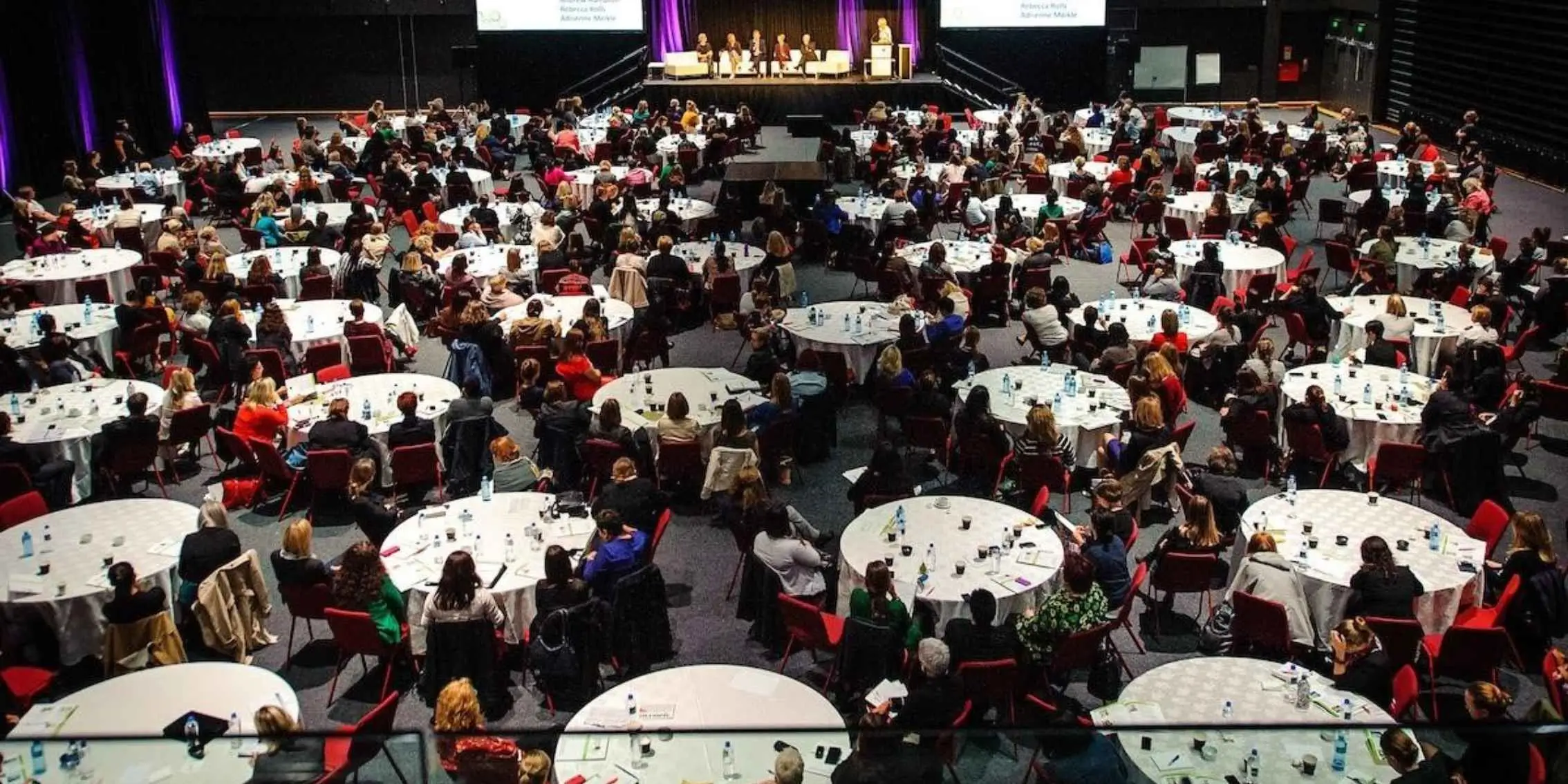
Banquet-style but with one side of the table open toward the stage.
Why It Works
- Allows visibility while supporting interaction.
- More audience-friendly than full banquet seating.
Trade-Off
- Fewer seats per table, reducing capacity.
Best For...
- Training with group discussion
- Conferences with food service
- Awards with stage programming
5. U-Shape Seating
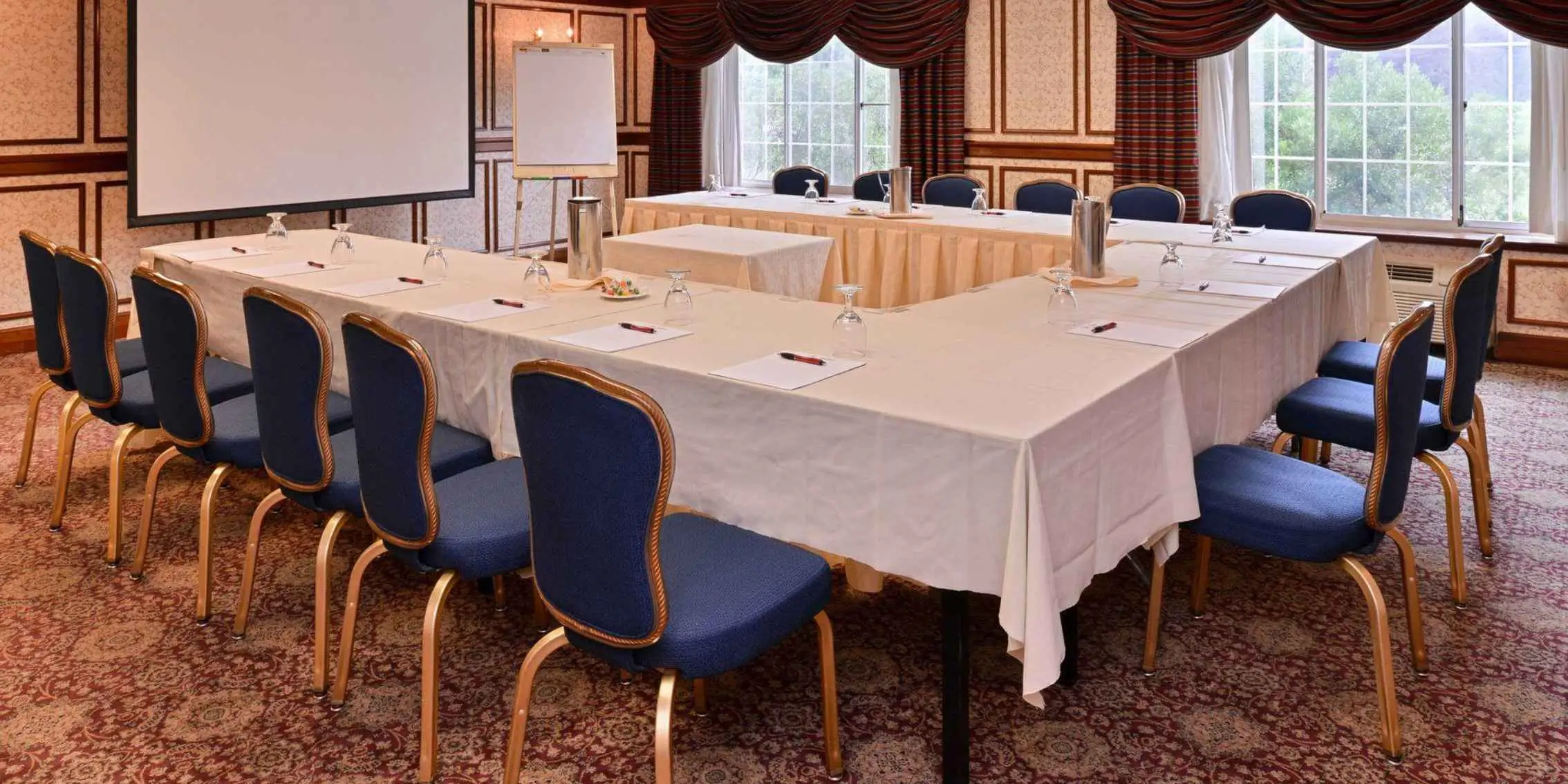
Tables arranged in a U shape with open space in the middle.
Why It Works
- Presenter can move into the U for engagement.
- Participants can see each other clearly.
What To Consider
- Best for smaller groups.
- Requires more room for fewer seats.
Best For...
- Board meetings
- Executive sessions
- Interactive workshops
6. Boardroom Style
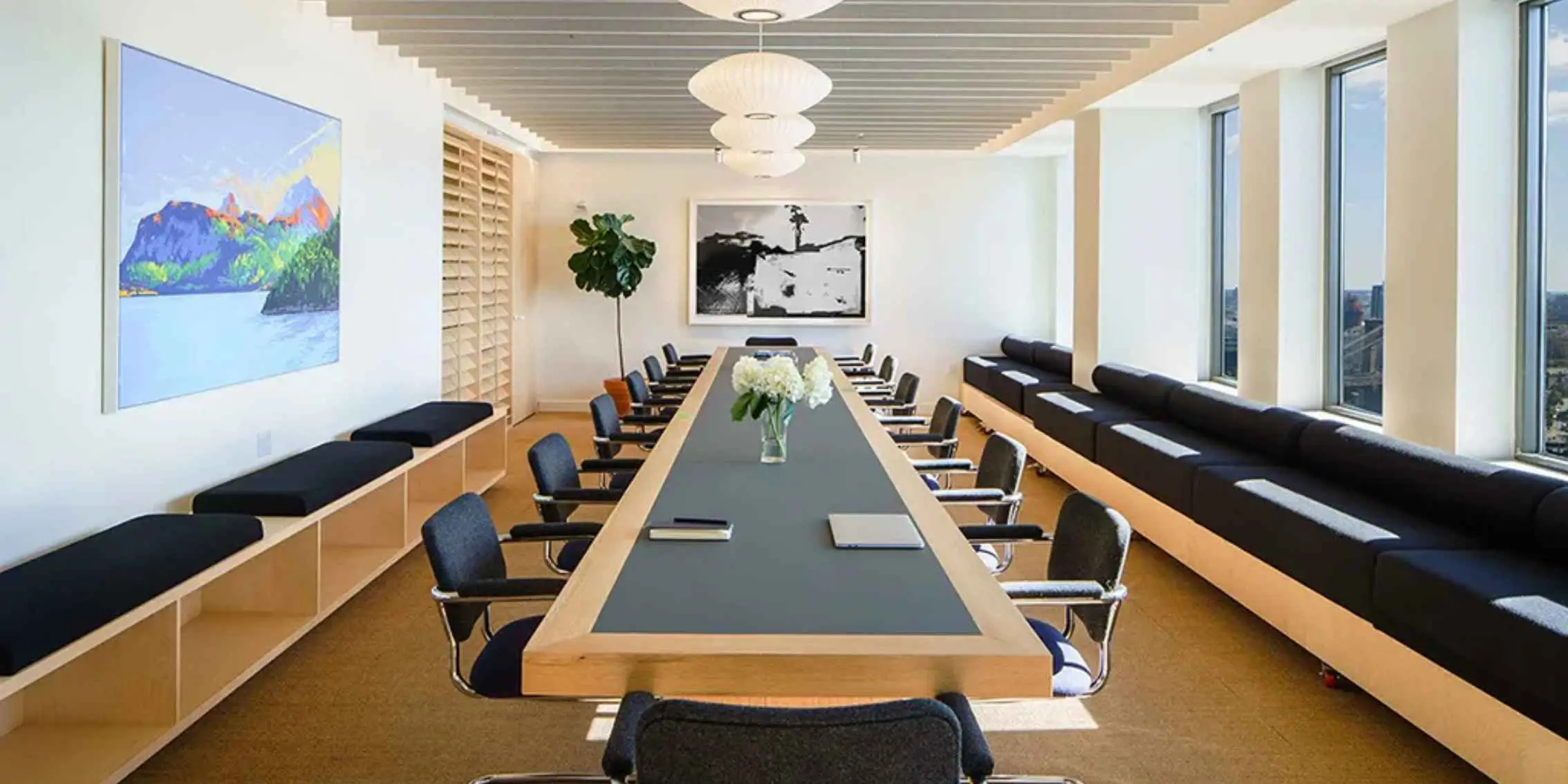
A single large table with participants seated around it.
Why It Works
- Supports formal decision-making.
- Visually equal seating for all participants.
Weak Points
- Limited seating capacity.
- Not ideal for large presentations.
Best For...
- Strategy sessions
- Investor meetings
- Committee planning
7. Reception / Cocktail Style
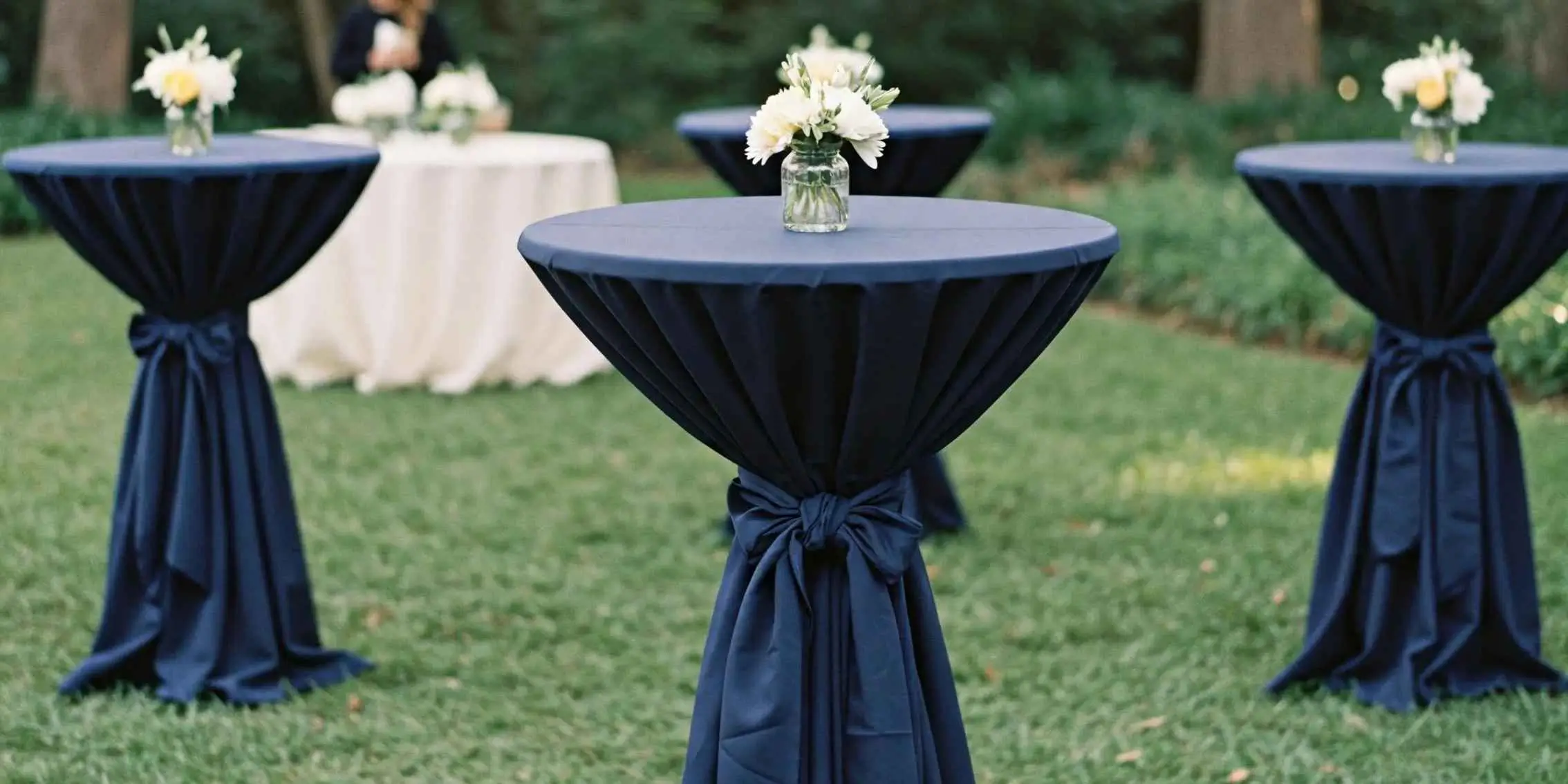
Standing tables or mixed seating with open space.
Why It Works
- Encourages movement and mingling.
- Flexible and informal layout.
Where It Falls Short
- Not ideal for guests with mobility limitations.
- Poor fit for long speeches or presentations.
Best For...
- Networking events
- Product launches
- Sponsorship activations
8. Lounge / Festival Seating
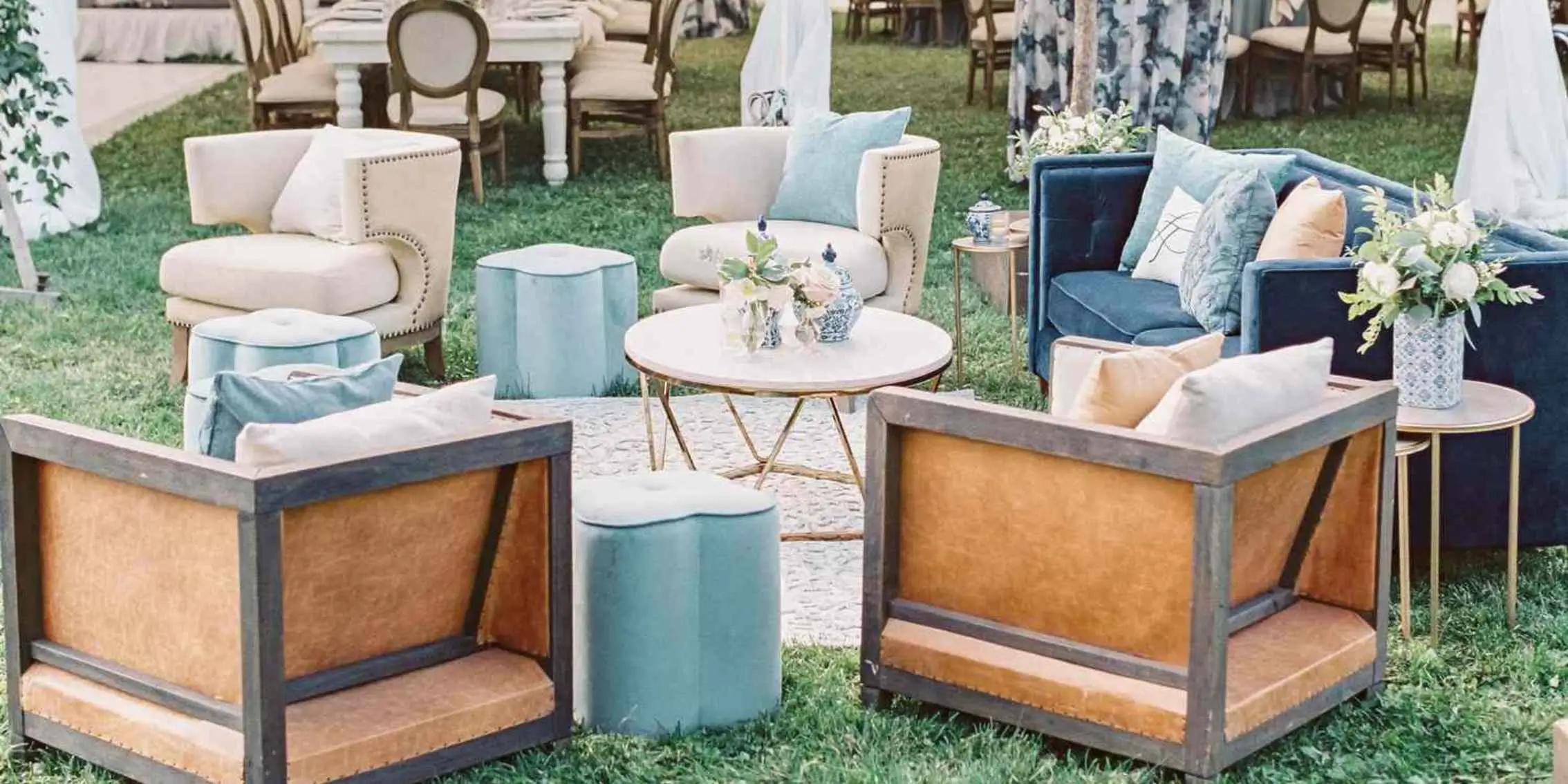
Sofas, beanbags, armchairs, rugs, and casual mixed seating.
Why It Works
- Relaxed atmosphere.
- Encourages creativity and informal engagement.
Potential Downsides
- Not ideal for business attire.
- Can look messy if poorly arranged.
Best For...
- Creative workshops
- Innovation sessions
- Youth events
- Brand activations