
 Australia
  Canada
  Ireland
  New Zealand
  Singapore
  South Africa
  United Kingdom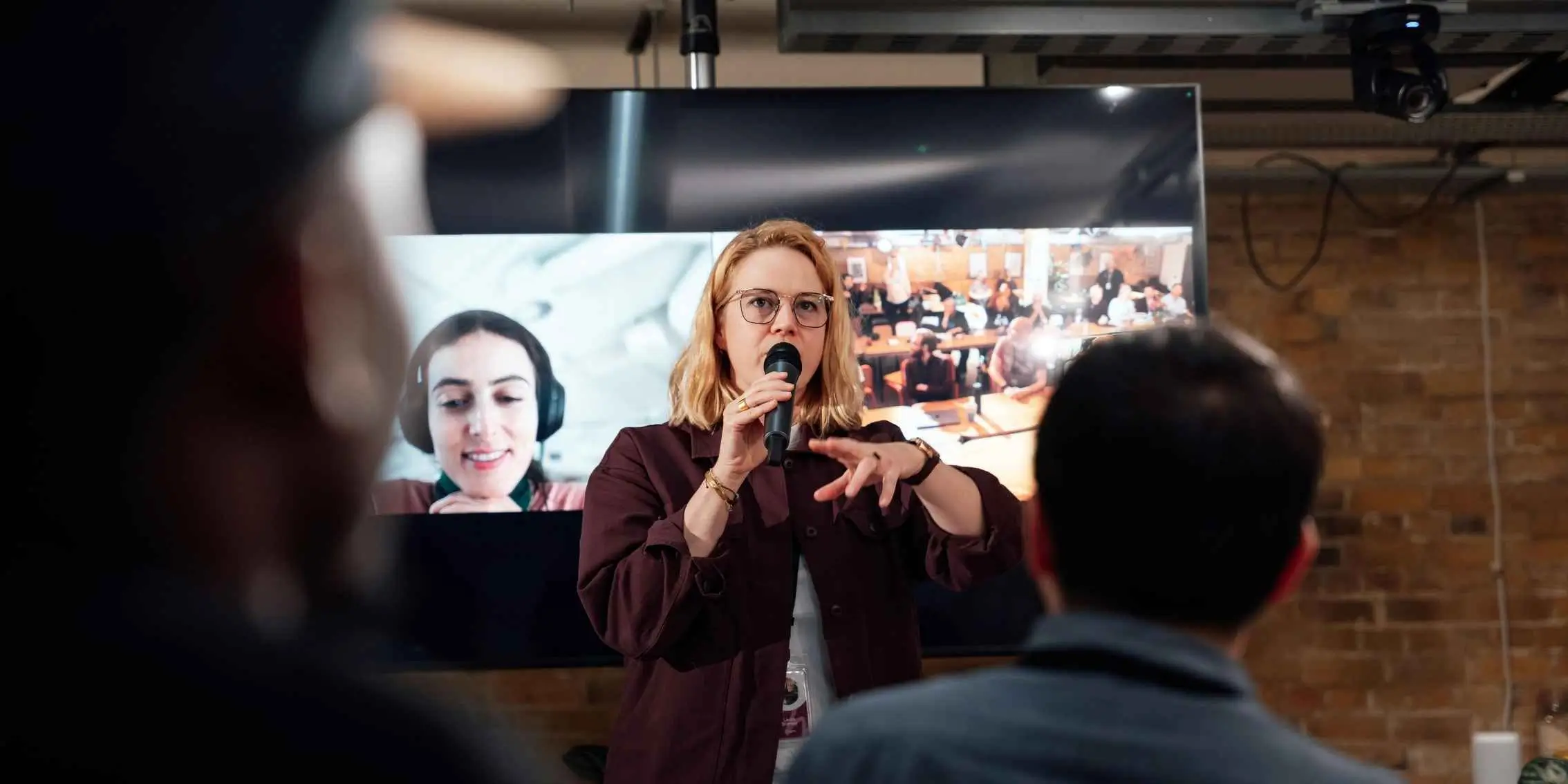
A successful hybrid event is more than just a livestream of a physical stage. It's a dual-audience experience designed to provide equal value to people in the room and those on a screen. Modern planners use this format to smash geographical barriers and increase ROI. We've built this guide to help you master the production and management skills needed to lead the industry.
In short…
Our online event management course provides the technical roadmap you need to lead these complex projects and command a higher day rate.

A hybrid event is a single experience that happens in a physical location and a digital space at the same time. They allow attendees to choose how they want to participate.
It is helpful to clarify what a hybrid event is not. It is not just a recording uploaded after the fact. It is not a Zoom call where people in the room ignore the chat. It is an active and live connection between two groups.
Each format serves a different commercial goal. In-person events win on high-touch networking. Virtual events win on reach and low costs. Hybrid events offer the best of both worlds by providing the prestige of a physical site with the massive scale of the web.
| Feature | In-Person | Virtual | Hybrid Events |
|---|---|---|---|
| Reach | Limited by venue capacity | Unlimited | Unlimited |
| Engagement | High physical interaction | High digital interaction | High dual-audience interaction |
| Cost | High (Catering/Venue) | Low (Software only) | Mid-to-High (Production + Venue) |
| Data | Manual tracking | Deep digital analytics | Comprehensive dual-channel data |
Hybrid events offer a commercial edge by turning a one-day gathering into a permanent digital asset.
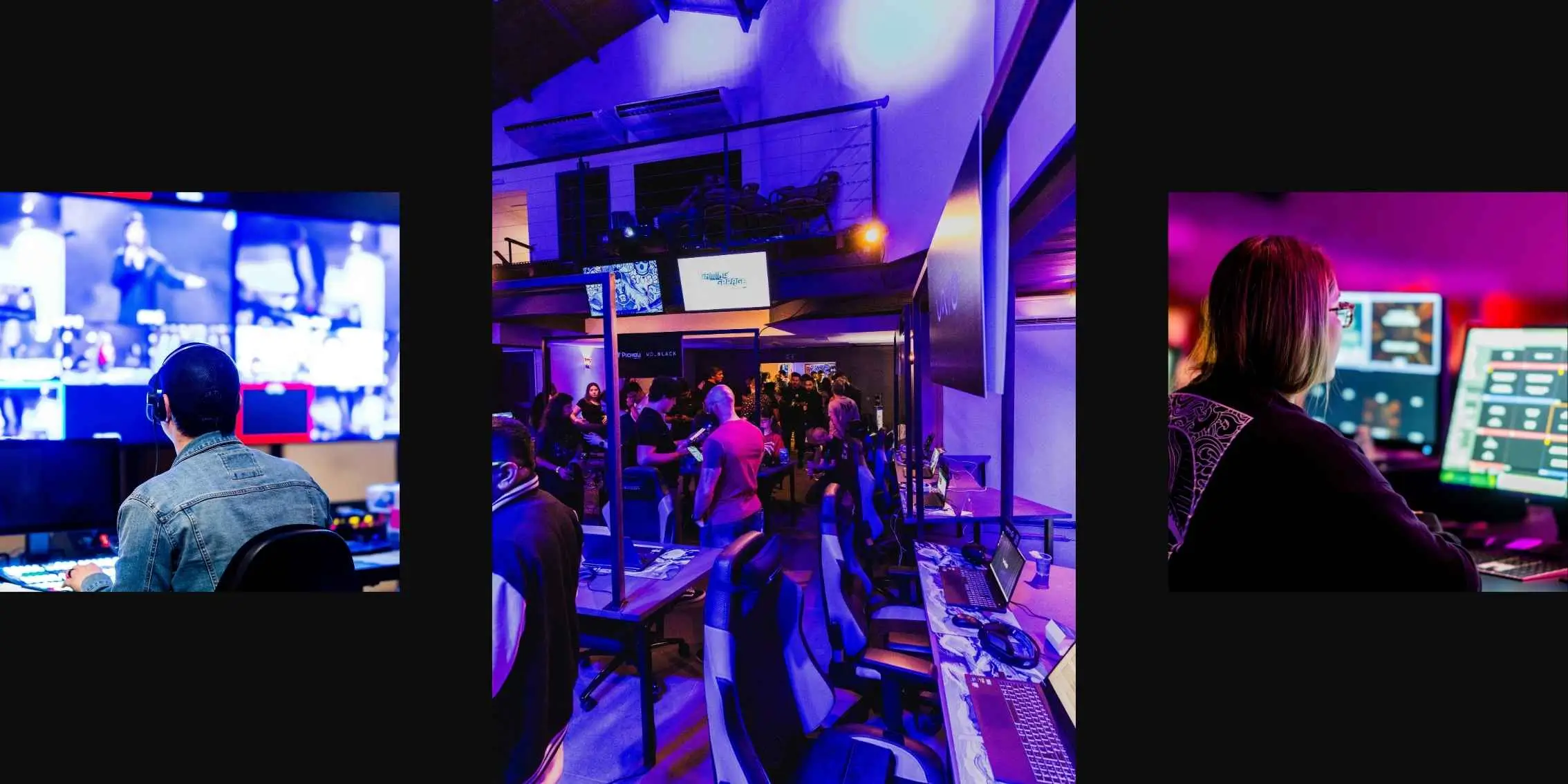
One great hybrid events example is the TwitchCon series. They manage massive physical crowds while creating unique interactive content for the millions watching on the platform.
1. Define Your Goals and Audience
2. Choose the Right Format
3. Budgeting and Resource Allocation
4. Selecting the Right Venue

Professional hybrid event production relies on the quality of your signal. If the audio fails or the stream lags, you lose your virtual audience instantly.
Choosing a hybrid event management platform is about engagement rather than just hosting.
For more top tips, check out our article: Free Event Management Software: 8 Tools to Simplify Your Planning
Executing successful hybrid events requires a "Digital First" approach to keep both your physical and remote audiences satisfied.
Measuring success helps you bridge the gap between in-person buzz and virtual engagement to reveal your true ROI.
| KPI | Target Benchmark | Why It Matters | Pro Tip |
|---|---|---|---|
| Dual-Channel Leads | Track close rates >15% | Validates spend across both audiences | Tag leads by format in your CRM |
| Drop-off Rate | <20% in first 10 minutes | Reveals content engagement instantly | Monitor live vs VOD drop-off separately |
| Net Promoter Score | >70 for both groups | Measures true satisfaction | Separate surveys: logistics vs tech |
| VOD Replay Views | 30-50% of live attendees | Shows evergreen content value | Push replays via email 24hrs post-event |
| Revenue Attribution | Virtual = 2-3x physical ROI | Proves scalability advantage | Track sponsor ROI by ticket type |
| Tech Uptime | <1% streaming failures | Elite production standard | Log ALL errors for post-mortem review |
AI matchmaking and local hubs will soon come to define the industry. Picture a networking event where algorithms scan LinkedIn profiles to pair a virtual guest with the perfect person in the room for a chat.
Also, we'll see community hubs grow. Small groups will gather in local cafes to watch global keynotes together. It's a move that fixes home isolation while slashing venue costs. Sustainability targets will make this the global standard by 2027.
What are hybrid events?
Hybrid events are single experiences that happen in a physical location and a digital space at the same time. This format allows attendees to choose between participating in person or joining virtually from anywhere in the world.
How to plan a hybrid event?
You should start by treating the project as two separate but connected events with shared commercial goals. Focus on securing a venue with high-speed upload bandwidth and a production team that understands live streaming requirements.
How to promote a hybrid event?
Use targeted marketing to address the different needs of your physical and virtual ticket holders. You'll want to highlight local networking for the in-person crowd while emphasizing technical ease and session replays for your digital guests.
What are the best platforms for hosting hybrid events?
Look for all-in-one management platforms like Bizzabo, Hopin, or Cvent to handle registrations and broadcasts. These tools provide the engagement features and analytics needed to track the behavior of both your local and remote audiences.
Why hybrid events are the future?
They offer a massive reach and a higher return on investment than traditional formats. Plus, the shift toward sustainable corporate travel and the growth of AI-driven networking makes this dual-channel approach the industry standard for 2027.
Mastering the logistics of event production is the fastest path to a senior role in management. Our online event management course turns your organizational talent into professional expertise.
In Module 7, Talent and Technical Requirements, you will master the basics of lighting, sound, and visual elements needed for high-end delivery. We show you exactly how to source professional speakers and entertainers while confirming their technical needs. You'll learn to handle A/V equipment lists, lighting plans, and speaker systems with confidence.
Download our free course guide today to see how you can start your career in event management.
This post was created by the team at The Institute for Event Management and supported by our team of professional expert tutors. Meet Natalie Brumniach, author of our course and one of our expert student guides below:

Course Author & Tutor at The Institute for Event Management
Natalie Brumniach is a seasoned events professional and co-founder of a bespoke events company, experienced in managing everything from corporate conferences to royal events. She also teaches event management, protocol, and risk assessment.
Published:






©2026 The Institute for Event Management. All rights reserved.